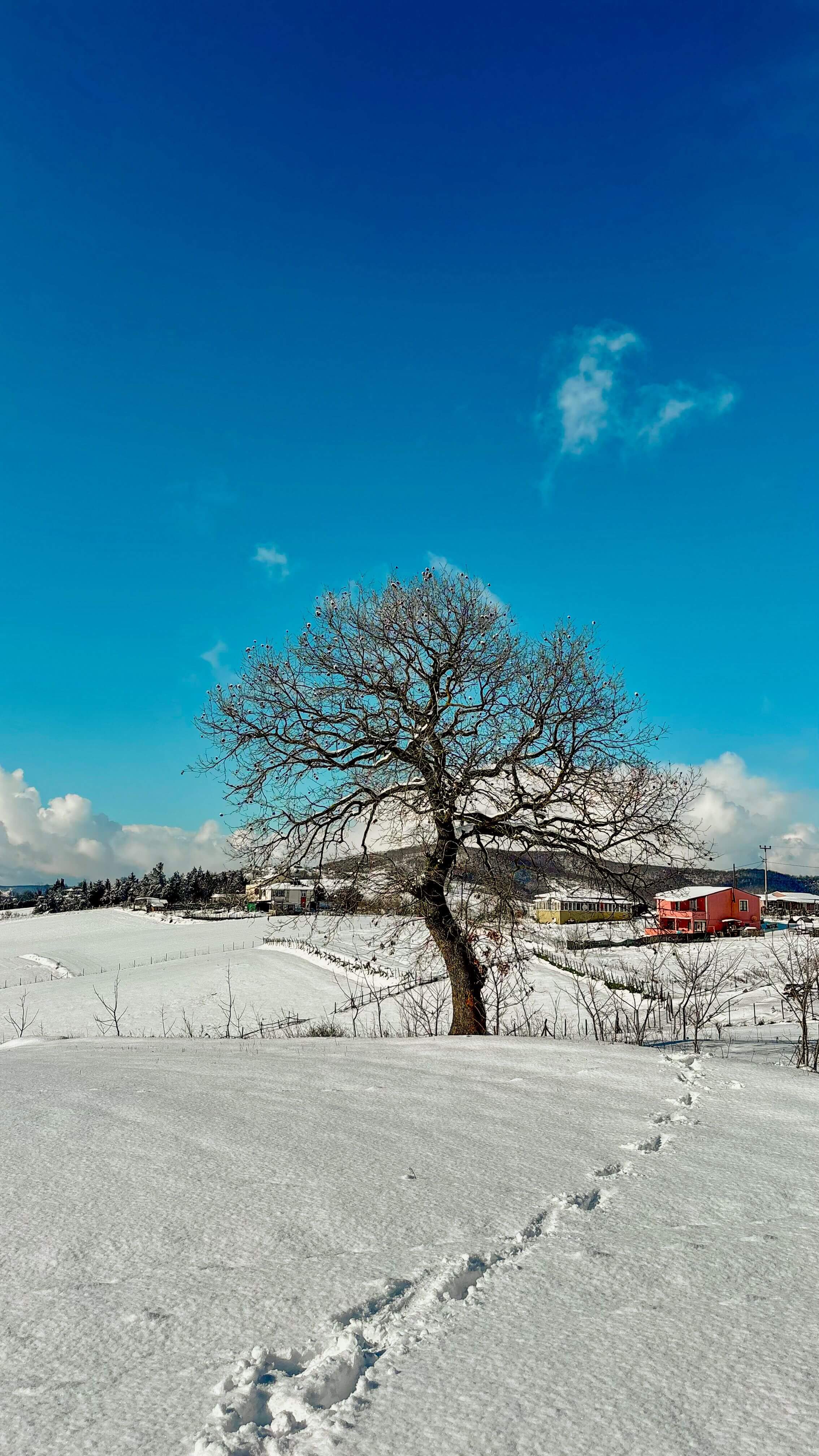
OPIc에서 자주 출제되는 주제 중 하나가 바로 계절(Season)입니다.
겨울과 관련해서는 다음과 같은 질문이 나올 수 있습니다.
- What is your favorite season?
- Why do you like winter?
- What do you usually do during the winter?
- What is winter like in your country?
- Tell me about a memorable experience you had during the winter.
- Tell me about a winter activity you enjoyed.
- Have you ever experienced heavy snow?
이러한 질문에 단순히
I like winter because I like snow.
라고만 답하면 자신의 활동이나 경험이 충분히 드러나지 않아 답변이 짧고 단조롭게 들릴 수 있습니다.
반면 겨울을 좋아하는 이유와 평소 즐기는 활동을 먼저 설명하고, 기억에 남는 겨울 경험을 하나의 이야기로 연결하면 훨씬 자연스럽고 풍부한 답변을 만들 수 있습니다.
오늘은 겨울의 차분한 분위기와 따뜻한 실내 활동을 좋아하는 이유, 그리고 가족과 함께 눈썰매장에 다녀온 경험을 활용해 OPIc 답변을 구성하는 방법을 살펴보겠습니다.
1. 먼저 전체 스크립트를 읽어보기
Winter is one of my favorite seasons.
Of course, the weather can be freezing cold, but I still enjoy the calm and peaceful atmosphere of winter.
I especially like seeing snow because it makes familiar places look completely different.
During the winter, I usually stay indoors, drink hot coffee, and watch movies with my family.
When it snows, I also like taking a walk outside and enjoying the winter scenery.
One of my most memorable winter experiences was visiting a snow sledding park with my family.
We went there last winter on a cold Saturday morning.
The park was covered with snow, and there were many families enjoying different winter activities.
First, we rented some sleds and walked up a long snowy hill.
The hill was steeper than I expected, so I was a little nervous at first.
However, once I started sliding down, it was much more exciting than I had imagined.
I could feel the cold wind on my face, and I couldn’t stop laughing.
After riding the sled several times, we became tired and cold.
We went inside a small café and had some hot chocolate and snacks.
The hot chocolate tasted especially good because we had been outside in the cold for a long time.
Although the weather was extremely cold, I really enjoyed spending the day with my family.
It was a simple but memorable winter experience.
That is one of the reasons I like winter so much.
이 답변은 크게 다음과 같은 흐름으로 구성되어 있습니다.
- 좋아하는 계절 소개
- 겨울의 단점과 매력 설명
- 겨울에 평소 즐기는 활동
- 기억에 남는 과거 경험
- 행동을 시간 순서대로 설명
- 기억에 남는 장면과 감정 묘사
- 경험의 의미를 정리하며 마무리
이 구조를 익혀두면 계절 질문뿐만 아니라 가족 활동, 공원 방문, 눈이 온 날의 경험, 야외 활동, 기억에 남는 여행과 같은 여러 OPIc 질문에 활용할 수 있습니다.
2. 첫 문장은 질문에 직접 답하기
Winter is one of my favorite seasons.
“겨울은 제가 가장 좋아하는 계절 중 하나입니다”라는 뜻입니다.
OPIc 답변을 시작할 때는 처음부터 복잡한 설명을 하기보다 질문에 대한 답을 짧고 분명하게 제시하는 것이 좋습니다.
겨울이 가장 좋아하는 계절이라면 다음과 같이 말할 수 있습니다.
Winter is definitely my favorite season.
Of all the seasons, I like winter the most.
I really love winter.
겨울을 좋아하지만 가장 좋아한다고 단정하기 어렵다면 다음 표현이 자연스럽습니다.
Winter is one of my favorite seasons.
I have always enjoyed the winter season.
자신이 실제로 편하게 말할 수 있는 문장 하나를 선택해 답변의 첫 문장으로 사용하면 됩니다.
3. 겨울의 단점을 먼저 인정하기
Of course, the weather can be freezing cold, but I still enjoy the calm and peaceful atmosphere of winter.
겨울은 날씨가 매우 춥다는 분명한 단점이 있습니다.
이를 무시하고 겨울의 좋은 점만 이야기하기보다 단점을 먼저 인정한 뒤 자신이 겨울을 좋아하는 이유로 전환하면 답변이 더욱 자연스럽게 들립니다.
freezing cold
“몹시 추운”, “얼어붙을 정도로 추운”이라는 뜻입니다.
It is freezing cold outside.
Korean winters can be freezing cold.
It was freezing cold that morning.
단순한 cold보다 강한 추위를 표현할 때 사용할 수 있습니다.
Of course A, but B
“A인 것은 사실이지만 B이다”라는 흐름을 만드는 표현입니다.
Of course, winter is cold, but I enjoy the snowy scenery.
Of course, getting up early is difficult, but I enjoy morning exercise.
Of course, the park was crowded, but we had a great time.
말하기 중 문장이 길게 느껴진다면 두 문장으로 나누어도 됩니다.
Winter can be freezing cold.
Still, I really enjoy its calm atmosphere.
문법적으로 복잡한 문장을 무리해서 사용하기보다 짧은 문장을 자연스럽게 연결하는 편이 실제 시험에서는 더 안정적입니다.
4. 겨울의 분위기를 구체적으로 설명하기
I still enjoy the calm and peaceful atmosphere of winter.
겨울을 좋아하는 이유를 단순히 “눈이 와서 좋다”라고만 말하지 않고, 겨울 특유의 차분하고 평화로운 분위기로 설명했습니다.
calm and peaceful atmosphere
“차분하고 평화로운 분위기”라는 뜻입니다.
I love the calm and peaceful atmosphere of winter.
The park had a calm and peaceful atmosphere.
I felt relaxed because the place was calm and peaceful.
겨울의 분위기는 다음과 같이 다양하게 표현할 수 있습니다.
Winter feels quiet and relaxing.
I like the cozy atmosphere during the winter.
Everything seems quieter when it snows.
Winter has a special atmosphere that I cannot experience during other seasons.
계절의 온도만 설명하는 것보다 그 계절이 자신에게 어떤 기분을 주는지 함께 말하면 답변이 더 개인적이고 구체적으로 들립니다.
5. 눈이 만드는 풍경의 변화를 설명하기
I especially like seeing snow because it makes familiar places look completely different.
“저는 특히 눈이 내리는 모습을 좋아하는데, 눈이 익숙한 장소들을 완전히 다르게 보이게 하기 때문입니다”라는 뜻입니다.
familiar places
“익숙한 장소들”이라는 의미입니다.
Snow makes familiar places look beautiful.
Even familiar streets look different at night.
look completely different
“완전히 다르게 보이다”라는 뜻입니다.
The park looked completely different after it snowed.
My neighborhood looked completely different at night.
The city looked completely different from the top of the mountain.
눈이 왔다는 사실만 전달하기보다 눈으로 인해 주변 풍경이 어떻게 달라졌는지 설명하면 더욱 생생한 답변을 만들 수 있습니다.
다음과 같은 문장도 활용할 수 있습니다.
The streets and rooftops become covered with white snow.
The whole neighborhood looks clean and beautiful.
Snow-covered trees look especially beautiful.
I enjoy watching snowflakes fall slowly from the sky.
6. 겨울에 평소 즐기는 활동 연결하기
During the winter, I usually stay indoors, drink hot coffee, and watch movies with my family.
계절의 특징을 설명한 뒤 자신이 겨울에 평소 무엇을 하는지 연결한 부분입니다.
겨울 활동으로는 다음과 같은 소재를 활용할 수 있습니다.
- stay indoors: 실내에 머무르다
- drink hot coffee: 따뜻한 커피를 마시다
- drink hot chocolate: 핫초코를 마시다
- watch movies: 영화를 보다
- read books: 책을 읽다
- spend time with my family: 가족과 시간을 보내다
- go ice skating: 스케이트를 타러 가다
- go skiing: 스키를 타러 가다
- go snowboarding: 스노보드를 타러 가다
- ride a sled: 눈썰매를 타다
- build a snowman: 눈사람을 만들다
- take a walk in the snow: 눈길을 산책하다
예문은 다음과 같습니다.
I usually stay home and watch movies during the winter.
I enjoy drinking something warm while reading a book.
Sometimes, I go ice skating with my friends.
When it snows, I take a walk around my neighborhood.
활동을 너무 많이 나열할 필요는 없습니다.
자신이 실제로 설명하기 편한 활동 두세 개를 선택하고, 그중 하나를 과거 경험으로 확장하는 것이 가장 효율적입니다.
7. 실내 활동과 야외 활동을 함께 활용하기
During the winter, I usually stay indoors, drink hot coffee, and watch movies with my family.
When it snows, I also like taking a walk outside and enjoying the winter scenery.
겨울 답변에서는 따뜻한 실내 활동과 눈을 즐기는 야외 활동을 함께 이야기할 수 있습니다.
이렇게 하면 내용이 한쪽으로 치우치지 않고 더욱 풍부해집니다.
stay indoors
“실내에 머무르다”라는 뜻입니다.
I prefer to stay indoors when it is extremely cold.
I usually stay indoors and watch movies.
enjoy the winter scenery
“겨울 풍경을 즐기다”라는 의미입니다.
I like walking outside and enjoying the winter scenery.
We stopped several times to take pictures of the winter scenery.
비슷한 구조로 다음과 같이 말할 수 있습니다.
On very cold days, I prefer staying home and relaxing.
However, when it snows, I like going outside and taking pictures.
I usually enjoy indoor activities, but I sometimes go skiing with my family.
자신의 일반적인 습관에 예외적인 활동을 하나 추가하면 답변이 더욱 자연스럽게 들립니다.
8. 과거 경험으로 자연스럽게 전환하기
One of my most memorable winter experiences was visiting a snow sledding park with my family.
현재의 일반적인 활동을 설명한 뒤 기억에 남는 과거 경험으로 전환하는 문장입니다.
과거 경험을 시작할 때는 다음과 같은 표현을 사용할 수 있습니다.
Last winter, I went to~
A few years ago, I visited~
I remember going to~
One of my most memorable winter experiences was~
I once had a wonderful winter experience at~
예문은 다음과 같습니다.
Last winter, I went to a ski resort with my family.
I remember going ice skating with my friends a few years ago.
One of my most memorable winter experiences was building a snowman with my family.
Last year, I visited a snow sledding park with my wife.
과거 경험의 첫 부분에는 다음 네 가지 정보를 포함하는 것이 좋습니다.
- 언제 갔는지
- 어디에 갔는지
- 누구와 갔는지
- 무엇을 하기 위해 갔는지
이 네 가지 정보가 포함되면 청자가 상황을 쉽게 이해할 수 있습니다.
9. 시간과 장소를 구체적으로 제시하기
We went there last winter on a cold Saturday morning.
“우리는 지난겨울 어느 추운 토요일 아침에 그곳에 갔습니다”라는 뜻입니다.
단순히 last winter라고만 말해도 되지만, 요일이나 시간대를 추가하면 경험이 더욱 구체적으로 들립니다.
We went there early on a Saturday morning.
We visited the park during our winter vacation.
It happened on a snowy weekend last December.
We arrived there at around ten in the morning.
정확한 날짜나 시간을 기억하지 못하더라도 다음과 같은 표현을 활용할 수 있습니다.
It was sometime last winter.
It happened a few years ago.
I do not remember the exact date, but it was during the winter vacation.
OPIc에서는 사실을 정확하게 재현하는 것보다 하나의 일관된 이야기를 자연스럽게 전달하는 것이 중요합니다.
10. 장소의 첫인상을 묘사하기
The park was covered with snow, and there were many families enjoying different winter activities.
눈썰매장에 도착했을 때 보였던 풍경을 묘사한 문장입니다.
be covered with snow
“눈으로 덮여 있다”라는 뜻입니다.
The park was covered with snow.
The mountains were completely covered with snow.
The streets were covered with fresh snow.
enjoy different winter activities
“다양한 겨울 활동을 즐기다”라는 의미입니다.
Many people were enjoying different winter activities.
Children were building snowmen and riding sleds.
장소를 묘사할 때는 모든 것을 자세히 설명할 필요가 없습니다.
눈으로 덮인 풍경, 사람들의 모습, 날씨와 같이 눈에 잘 보이는 요소 두세 가지만 설명해도 충분합니다.
Everything was white and beautiful.
Children were running around and playing in the snow.
I could hear people laughing and shouting.
The park was crowded, but the atmosphere was cheerful and exciting.
11. 행동을 시간 순서대로 설명하기
First, we rented some sleds and walked up a long snowy hill.
과거 경험은 시간 순서대로 설명하면 훨씬 쉽게 구성할 수 있습니다.
다음 연결 표현을 활용할 수 있습니다.
- First,
- At first,
- Then,
- After that,
- A little later,
- After a while,
- Finally,
- In the end,
눈썰매장 경험은 다음과 같은 순서로 구성할 수 있습니다.
First, we bought our tickets and rented some sleds.
Then, we walked up the snowy hill.
After that, we rode the sled several times.
Finally, we went to a café and had some hot chocolate.
복잡한 사건을 만들 필요는 없습니다.
자신이 그 장소에서 실제로 했을 법한 행동 세 가지 정도를 시간 순서대로 연결하면 하나의 자연스러운 경험담이 됩니다.
12. 예상보다 달랐던 점을 설명하기
The hill was steeper than I expected, so I was a little nervous at first.
“언덕은 제가 예상했던 것보다 더 가팔랐기 때문에 처음에는 조금 긴장했습니다”라는 뜻입니다.
steeper than I expected
“내가 예상했던 것보다 더 가파른”이라는 의미입니다.
비교급과 than I expected를 결합한 표현은 OPIc 경험 답변에서 매우 유용하게 활용할 수 있습니다.
- steeper than I expected: 예상보다 더 가파른
- colder than I expected: 예상보다 더 추운
- faster than I expected: 예상보다 더 빠른
- more crowded than I expected: 예상보다 더 붐비는
- more exciting than I expected: 예상보다 더 신나는
- more difficult than I expected: 예상보다 더 어려운
- much better than I expected: 예상보다 훨씬 좋은
예문은 다음과 같습니다.
The weather was much colder than I expected.
The sled moved much faster than I expected.
The park was more crowded than I expected.
The experience was more exciting than I expected.
예상과 실제의 차이를 말하면 단순한 행동 설명에 긴장감과 구체성이 더해집니다.
13. 감정의 변화를 넣어 이야기 만들기
I was a little nervous at first.
However, once I started sliding down, it was much more exciting than I had imagined.
처음에는 긴장했지만 실제로 눈썰매를 타기 시작하자 신나고 재미있었다는 감정의 변화를 설명했습니다.
At first
“처음에는”이라는 뜻입니다.
At first, I was a little scared.
At first, I did not know what to do.
At first, the weather felt unbearably cold.
once I started
“일단 시작하고 나니”, “시작하자”라는 의미입니다.
Once I started skiing, I felt much more comfortable.
Once I started moving, I did not feel as cold.
Once we arrived, everyone became excited.
다음과 같은 구조로 감정의 변화를 표현할 수 있습니다.
At first, I was nervous, but I soon felt comfortable.
At first, the hill looked scary, but riding the sled was actually a lot of fun.
I was worried at first. However, the experience was much easier than I expected.
과거 경험에서는 특별한 사건의 크기보다 당시 자신이 어떻게 느꼈고 감정이 어떻게 변했는지를 설명하는 것이 중요합니다.
14. 감각을 활용해 장면을 생생하게 묘사하기
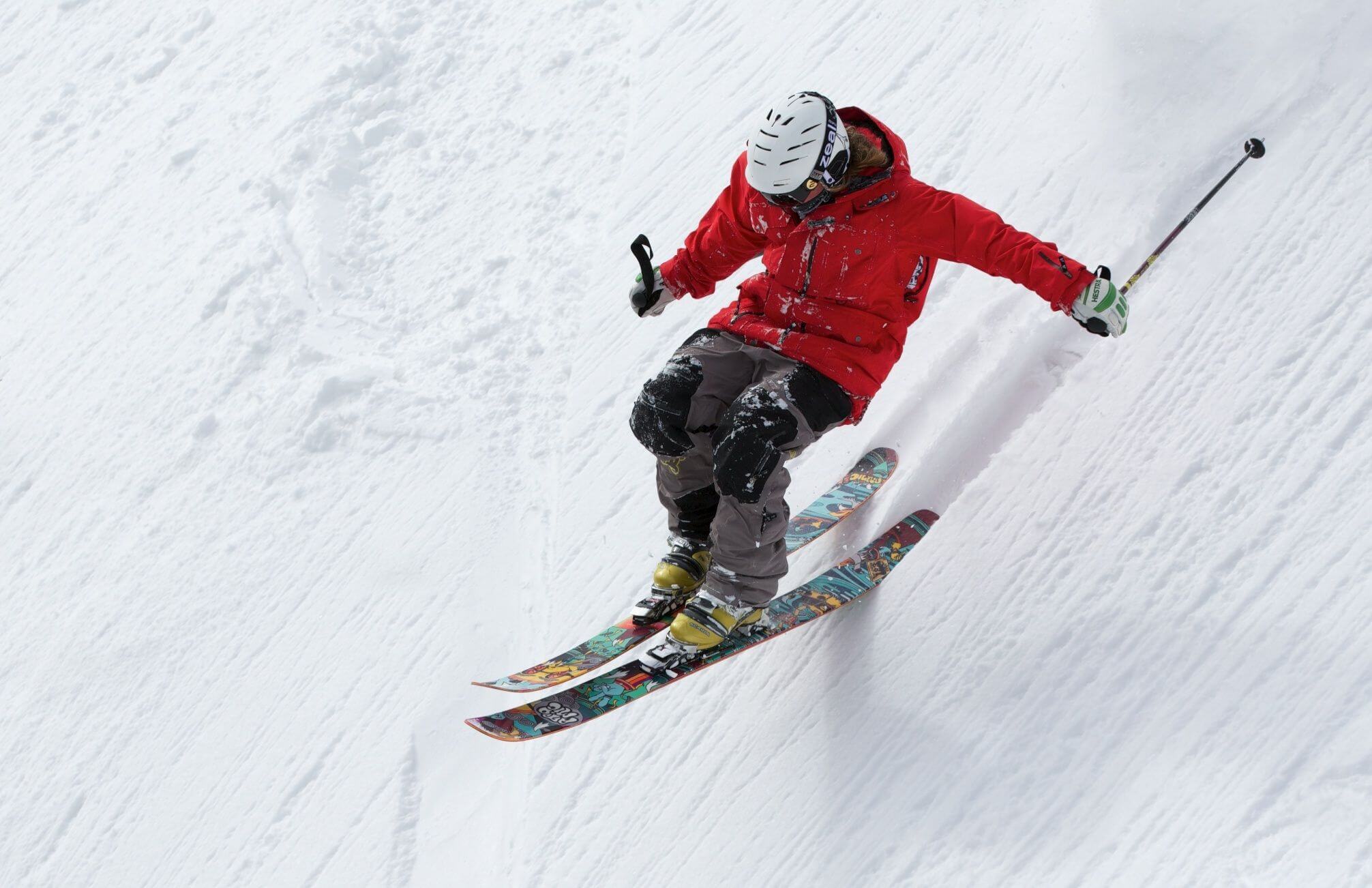
I could feel the cold wind on my face, and I couldn’t stop laughing.
눈썰매를 타고 내려오는 순간을 촉감과 행동으로 묘사했습니다.
feel the cold wind on my face
“얼굴에 차가운 바람이 느껴지다”라는 뜻입니다.
I could feel the cold wind on my face.
I could hear people laughing behind me.
I could see snow-covered mountains in the distance.
couldn’t stop laughing
“계속 웃음이 나왔다”, “웃음을 멈출 수 없었다”라는 의미입니다.
I couldn’t stop laughing.
My children couldn’t stop smiling.
We were so excited that we couldn’t stop talking about it.
경험을 생생하게 표현할 때는 다음 감각을 활용할 수 있습니다.
- 보이는 것: I could see~
- 들리는 것: I could hear~
- 느껴지는 것: I could feel~
- 냄새: I could smell~
- 맛: It tasted~
예를 들어 다음과 같이 표현할 수 있습니다.
I could hear children laughing all around me.
I could see white snow flying into the air.
The cold air made my face feel numb.
모든 감각을 사용할 필요는 없습니다. 가장 기억에 남는 감각 하나만 넣어도 장면이 훨씬 구체적으로 전달됩니다.
15. 사소한 휴식 장면을 좋은 소재로 활용하기
After riding the sled several times, we became tired and cold.
We went inside a small café and had some hot chocolate and snacks.
눈썰매를 탄 뒤 카페에서 쉬었던 평범한 장면을 추가했습니다.
특별한 사건이 아니더라도 당시의 상태와 행동을 연결하면 자연스러운 말하기 소재가 됩니다.
tired and cold
“피곤하고 추운”이라는 뜻입니다.
We were tired and cold after playing outside.
I felt tired and cold after walking in the snow.
have some hot chocolate
“핫초코를 마시다”라는 의미입니다.
We went inside and had some hot chocolate.
I ordered a cup of hot chocolate to warm up.
warm up
“몸을 따뜻하게 하다”라는 뜻입니다.
We went inside to warm up.
Drinking hot tea helped me warm up.
겨울 활동 후 따뜻한 음료나 음식을 먹는 경험은 다양한 질문에 재활용할 수 있습니다.
- 스키장에 다녀온 경험
- 눈썰매를 탄 경험
- 겨울 산책 경험
- 크리스마스 축제 경험
- 겨울 여행 경험
- 눈이 많이 온 날의 경험
복잡한 사건보다 기억하기 쉬운 일상적인 장면을 활용하는 것이 실제 시험에서 더욱 안정적입니다.
16. 상황 때문에 평소보다 더 좋았다고 표현하기
The hot chocolate tasted especially good because we had been outside in the cold for a long time.
“우리가 오랫동안 추운 야외에 있었기 때문에 핫초코가 특히 맛있게 느껴졌습니다”라는 뜻입니다.
taste especially good
“특히 맛있게 느껴지다”라는 의미입니다.
The hot chocolate tasted especially good.
The warm soup tasted especially good after skiing.
because를 활용한 이유 설명
감정이나 평가 뒤에 because를 사용하면 답변을 쉽게 확장할 수 있습니다.
The drink tasted great because I was cold and tired.
I felt relaxed because the café was warm and quiet.
The experience was special because I spent the day with my family.
단순히 “맛있었다”고 말하는 것보다 당시의 상황을 이유로 연결하면 훨씬 구체적인 문장이 됩니다.
17. 단점과 만족감을 함께 정리하기
Although the weather was extremely cold, I really enjoyed spending the day with my family.
날씨가 매우 추웠다는 단점을 언급하면서도 가족과 함께 시간을 보내 즐거웠다고 정리했습니다.
Although A, B
“A이기는 했지만 B였다”라는 뜻입니다.
Although it was cold, we had a great time.
Although the park was crowded, I enjoyed the experience.
Although I was tired, I wanted to ride the sled again.
말하기 중 문장이 길어지거나 although의 문장 구조가 어렵게 느껴진다면 두 문장으로 나누어도 됩니다.
The weather was extremely cold.
Still, I really enjoyed spending the day with my family.
The park was crowded.
However, we had a wonderful time.
고난도 문법을 사용하는 것보다 자신의 수준에서 정확하게 말할 수 있는 문장을 선택하는 것이 중요합니다.
18. 경험의 의미로 답변 마무리하기
It was a simple but memorable winter experience.
That is one of the reasons I like winter so much.
경험을 이야기한 뒤 그 경험이 자신에게 어떤 의미였는지 설명하며 답변을 마무리했습니다.
활용하기 좋은 마무리 표현은 다음과 같습니다.
It was a truly memorable experience.
I will never forget that day.
I had a wonderful time with my family.
It made me appreciate spending time with my family.
I would love to visit the park again.
That experience is one of the reasons I love winter.
That is why winter is my favorite season.
마지막 문장에서는 새로운 사건을 추가하기보다 앞에서 이야기한 경험과 자신의 계절 선호를 다시 연결하는 것이 좋습니다.
19. 눈썰매 경험을 다른 겨울 활동으로 바꾸는 방법
눈썰매를 탄 경험이 없다면 동일한 답변 구조를 스키, 스케이트, 눈사람 만들기 또는 겨울 산책 경험으로 바꿀 수 있습니다.
눈썰매 버전
Last winter, I visited a snow sledding park with my family.
We rented some sleds and rode down a long snowy hill.
스키장 버전
Last winter, I went to a ski resort with my family.
I took a beginner lesson and practiced skiing on a small slope.
스케이트장 버전
Last winter, I went to an ice-skating rink with my friends.
At first, it was difficult to keep my balance, but I gradually became more comfortable.
눈사람 만들기 버전
One winter morning, my neighborhood was covered with snow.
My family and I went outside and built a large snowman together.
겨울 산책 버전
Last winter, I took a walk in a snow-covered park with my family.
We enjoyed the quiet scenery and took many pictures.
중심 활동만 바꾸고 다음 구조는 그대로 유지할 수 있습니다.
- 언제, 어디에 갔는지
- 누구와 함께했는지
- 그곳에서 무엇을 했는지
- 예상과 달랐던 점
- 가장 기억에 남는 장면
- 당시 느낀 감정
- 경험의 의미와 평가
20. 실전에서 말하기 편하게 다듬은 스크립트
전체 스크립트가 길게 느껴진다면 다음과 같이 문장을 짧게 나누어 연습할 수 있습니다.
Winter is one of my favorite seasons.
The weather can be freezing cold, but I like the calm atmosphere.
I especially like winter when it snows.
Snow makes familiar places look completely different.
During the winter, I usually stay home, drink hot coffee, and watch movies.
Sometimes, I take a walk outside and enjoy the snowy scenery.
Last winter, I went to a snow sledding park with my family.
We went there on a cold Saturday morning.
The entire park was covered with snow.
First, we rented some sleds.
Then, we walked up a long snowy hill.
The hill was steeper than I expected.
At first, I was a little nervous.
However, riding the sled was really exciting.
It moved much faster than I expected.
I could feel the cold wind on my face, and I couldn’t stop laughing.
After riding the sled several times, we went to a café.
We had some hot chocolate and snacks.
The hot chocolate tasted especially good because we were tired and cold.
The weather was extremely cold, but I had a great time with my family.
It was a memorable experience.
That is one of the reasons I like winter.
이 버전은 문장 하나하나가 비교적 짧고 이야기의 순서도 분명합니다.
답변 전체를 한 번에 외우기보다 다음 다섯 부분으로 나누어 연습하는 것이 좋습니다.
① Direct answer
Winter is one of my favorite seasons.
② Season details and activities
I like the calm atmosphere, and I enjoy seeing snow. During the winter, I usually stay home and watch movies with my family.
③ Past experience
Last winter, I went to a snow sledding park with my family.
④ Memorable scene and feeling
At first, I was nervous, but riding the sled was much more exciting than I expected.
⑤ Closing
It was a memorable experience, and that is one of the reasons I like winter.
21. 겨울 스크립트에서 기억할 핵심 표현
이번 답변에서 반복적으로 활용하기 좋은 표현을 정리해보겠습니다.
겨울 날씨와 분위기 설명하기
It can be freezing cold.
I enjoy the calm and peaceful atmosphere.
Everything looks beautiful when it snows.
The streets are covered with white snow.
겨울 활동 설명하기
I usually stay indoors and watch movies.
I enjoy drinking something warm.
I like taking a walk in the snow.
I sometimes go skiing or ride a sled.
예상과 비교하기
It was colder than I expected.
The hill was steeper than I expected.
The sled moved much faster than I expected.
It was more exciting than I had imagined.
감정 변화 설명하기
At first, I was a little nervous.
I soon started having a great time.
I couldn’t stop laughing.
I felt relaxed and happy.
몸을 따뜻하게 하는 상황 설명하기
We went inside to warm up.
We had some hot chocolate.
The warm drink tasted especially good.
경험 마무리하기
It was a truly memorable experience.
I had a wonderful time with my family.
I would love to go there again.
That is one of the reasons I love winter.
이 표현들은 겨울뿐만 아니라 여행, 야외 활동, 가족과 보낸 시간, 공원 방문, 기억에 남는 날과 같은 여러 주제에도 반복해서 활용할 수 있습니다.
22. 하나의 겨울 경험을 여러 질문에 활용하기
눈썰매장 경험 하나를 준비해두면 다양한 OPIc 질문에 활용할 수 있습니다.
좋아하는 계절
Winter is one of my favorite seasons because I like snow and winter activities.
겨울에 하는 활동
During the winter, I usually stay indoors, but I sometimes go to a snow sledding park with my family.
기억에 남는 겨울 경험
Last winter, I visited a snow sledding park with my family.
가족과 함께한 활동
One of my favorite family activities was riding sleds together at a snowy park.
기억에 남는 장소
One of the most memorable places I visited was a snow sledding park near my city.
예상치 못한 경험
The hill was much steeper than I expected, and the sled moved surprisingly fast.
날씨가 매우 추웠던 경험
It was freezing cold, so we went inside a café and had some hot chocolate.
사람이 많은 장소
The park was crowded with families, but the atmosphere was cheerful and exciting.
모든 질문에 새로운 스크립트를 준비하는 것보다 하나의 경험을 질문의 핵심에 맞게 조금씩 바꾸어 사용하는 것이 훨씬 효율적입니다.
OPIc 겨울 답변을 준비할 때 기억할 점
겨울 계절 질문에서는 날씨가 춥다는 사실만 길게 설명할 필요가 없습니다.
다음 내용을 차례대로 연결하면 자연스럽고 풍부한 답변을 만들 수 있습니다.
첫째, 겨울을 좋아하는지 질문에 직접 답합니다.
둘째, 추운 날씨와 같은 단점을 인정한 뒤 겨울의 분위기나 풍경을 좋아하는 이유를 설명합니다.
셋째, 겨울에 평소 즐기는 실내 또는 야외 활동을 소개합니다.
넷째, 기억에 남는 겨울 경험을 하나 추가합니다.
다섯째, 경험 중 가장 기억에 남는 장면과 예상 밖의 상황을 구체적으로 묘사합니다.
여섯째, 처음과 나중의 감정 변화를 설명합니다.
마지막으로 그 경험이 자신에게 어떤 의미였는지 정리하며 답변을 마무리합니다.
겨울 질문에서는 다음과 같은 소재를 활용하기 좋습니다.
- 가족과 눈썰매장에 간 경험
- 스키나 스노보드를 배운 경험
- 친구와 스케이트를 탄 경험
- 눈이 많이 온 날 눈사람을 만든 경험
- 눈 덮인 공원이나 산책로를 걸었던 경험
- 크리스마스 축제나 겨울 조명을 구경한 경험
- 추운 야외 활동 후 따뜻한 음료를 마신 경험
- 집에서 가족과 영화나 음식을 즐긴 경험
중요한 것은 어려운 표현을 많이 사용하는 것이 아닙니다.
자신이 실제로 말할 수 있는 짧고 자연스러운 문장을 사용하면서 장소, 행동, 상황, 감정을 구체적으로 연결하는 것이 좋습니다.
답변 전체를 그대로 암기하기보다 다음 구조를 기억해두세요.
좋아하는 계절 → 겨울의 특징 → 평소 활동 → 과거 경험 → 예상과 달랐던 점 → 기억에 남는 장면 → 감정 변화 → 마무리
이 구조를 자신의 실제 경험에 맞게 바꾸어 연습한다면 겨울 계절 질문뿐만 아니라 가족 활동, 야외 활동, 날씨, 여행, 기억에 남는 경험과 관련된 다양한 OPIc 질문에도 자연스럽게 대응할 수 있습니다.
'02. ENGLISH' 카테고리의 다른 글
| OPIc 집과 동네 질문 총정리|묘사·변화·문제 경험까지 한 번에 준비하는 법 (0) | 2026.07.31 |
|---|---|
| OPIc 시험 | 한국인에게는 어려운 난감한 자기소개 Interview 간단하게 해결하기! (0) | 2026.07.29 |
| OPIc 계절 질문 대비|가을(Fall)을 좋아하는 이유와 단풍·등산 경험을 자연스럽게 말하는 스크립트 (0) | 2026.07.24 |
| OPIc 계절 질문 대비 - 여름(Summer)을 좋아하는 이유와 경험 자연스럽게 말하기, 핵심 표현 (1) | 2026.07.22 |
| OPIc 계절 질문 대비|봄(Spring)을 좋아하는 이유와 경험을 자연스럽게, 실전용 스크립트 (1) | 2026.07.19 |


